今年は、物価高騰の折のバレンタインでした。
米CNNのタイトル:Chocolate lovers are experiencing sticker shock this Valentine’s Day.
※sticker shock (スティッカー・ショック)=商品やサービスの価格ラベル=stickerを見たときに、想像以上に高くて驚くこと、ショックを受けることを意味する米国の口語
Japan Timesのタイトル:Fewer women and girls to give Valentine's Day gifts amid inflation bites
※inflation bite(s)(インフレの噛みつき)インフレ(物価上昇)が人々の購買力や実質所得、貯蓄の価値を減少させる事。
ステルス値上げ(同じ商品でもサイズが小さくなっている)は色々な商品で見られる現象です。
A stealth price increase, often called "shrinkflation," is a strategy where manufacturers reduce the size, weight, or quantity of a product while keeping its retail price the same.
※shrinkflation =shrink+inflation
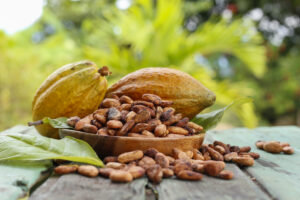
チョコレート価格の高騰は、カカオ栽培地(赤道北南20度)の不安定な天候と、ココアの木の真菌性の病気です。
The cacao belt is a tropical zone located 20 degrees north and south of the equator, spanning regions with high humidity and consistent warmth ideal for Theobroma cacao trees.
※the equator 赤道
The primary cause of unprecedented cocoa inflation is a severe shortage of cocoa beans. West Africa, which produces about 70% of the world's cocoa, has faced several years of poor harvests.
①Climate Change: Erratic weather, including heavy rains followed by extreme droughts, has damaged cocoa trees.
※erratic 不安定な ※drought 旱魃
②Crop Disease: Fungal diseases like "black pod" have spread rapidly due to high humidity, significantly reducing yields.
※fungal 菌の、菌による ※yield 産出高、収穫量
バレンタインデーの起源は3世紀のローマ帝国。結婚を禁じられた兵士たちのため、密に結婚式を執り行った事で皇帝に処刑をされた聖バレンティヌスを偲ぶ日です。その殉教の日が2月14日でした。
Valentine's Day has a long history, starting in ancient Rome with a priest named St. Valentine. At that time, Emperor Claudius II banned young men from marrying, believing that single men made better soldiers. St. Valentine is said to have defied a ban on marriage by secretly performing ceremonies for soldiers. For his actions, he faced martyrdom on February 14th.
Saint Valentine was martyred around 270 AD for ministering to persecuted Christians and secretly marrying couples, disobeying Emperor Claudius II.
※priest聖職者 clergymanやbishopと書かれているものもある
※martyrdom 殉教 martyrは名詞で殉教者、動詞で(主義、信仰を理由で)殺す
その後、ローマの恋人たちのお祭り(ルペルカリア祭)と混ざり、恋人たちが贈り物を交換する日として欧米で定着。(14世紀) 日本では1950年代後半から、洋菓子メーカーが「女性から男性へ」のバレンタインキャンペーンを開始し、今に至ります。
In Japan, the holiday took a different turn. It began as a market drive in the 1950s by confectionery companies. Originally, it was promoted as a day for women to give chocolates to men. This led to the unique culture of "Giri choco," or obligation chocolate, which became a common sight in Japanese offices for decades.

近年は、「本命・義理」チョコよりも、自分へのご褒美チョコが増えています。
Recently, these traditions have been changing. The pressure to give obligatory chocolate has started to fade away. Instead, many people now prefer to splurge on high-end chocolates for themselves, a trend known as "self-reward."
※splurge (on) 贅沢する、奮発する
※high-end高級な、高級品の
※self-reward 自分へのご褒美➾treat oneself自分をもてなす